When the Founder Hands Over the Spatula: Inside Burger-Joint Succession
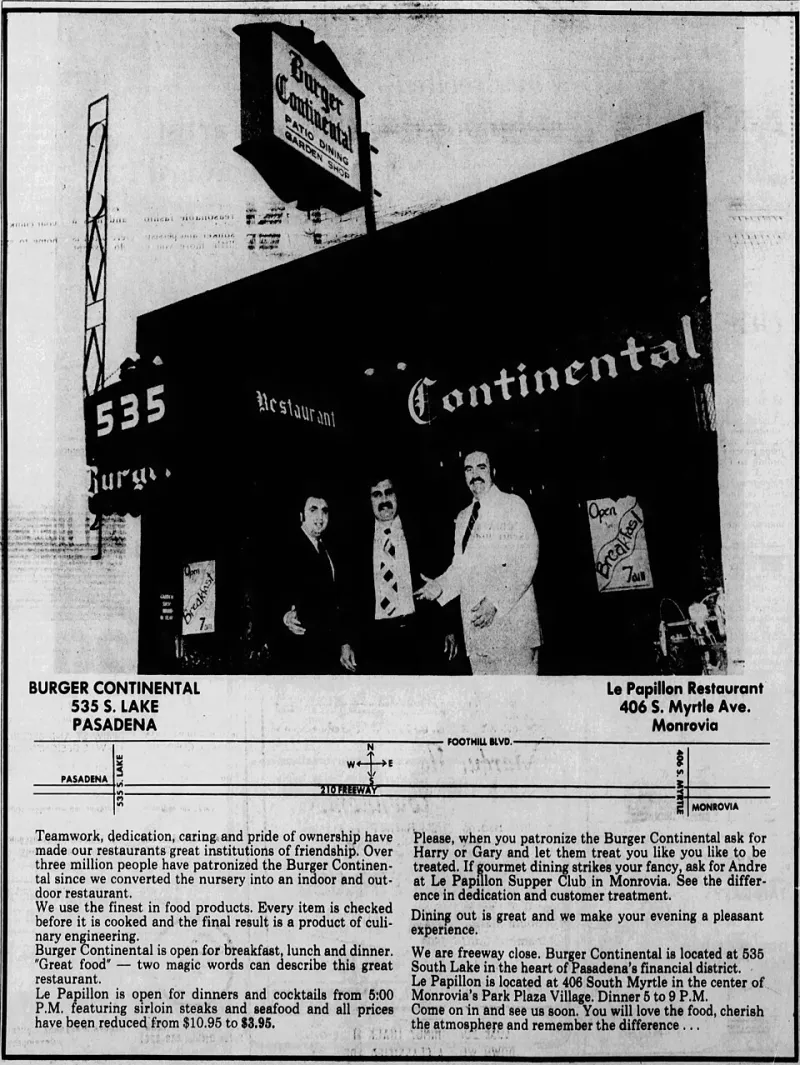
Photo: Burger Continental, Inc., Public domain, via Wikimedia Commons
There is no more anxious feeling for a burger regular than seeing a sign that says the restaurant is under new ownership. It is right up there with a menu redesign, a new logo, or the sudden disappearance of the fryer that made the fries taste like fries. Loyalists brace for the worst. Sometimes they are right. Sometimes they are wrong. The second act of a beloved burger joint is one of the hardest things in the independent restaurant world, and it rarely gets the credit it deserves when it goes well.
Three ways a legend changes hands
Most burger-joint successions fall into three categories. The first is family. A founder retires or dies, and a son, daughter, or nephew takes over. The second is an outsider buyer—often a longtime customer, a restaurant group, or an investor who sees a brand with history and a line out the door. The third is an employee buyout, where a manager or chef who has been in the building for years scrapes together the money to keep it alive.
Each path has its own failure mode. Family succession can preserve the culture but struggle with business discipline. An outsider can bring capital and systems but misread what made the place special. An employee buyout can keep the kitchen intact but run out of cash before the first slow winter. The food is not the only thing at stake. The staff, the suppliers, the hours, the neon sign, and the regulars who eat there twice a week are all part of the equation.
What actually changes on the plate
When a burger joint changes hands, the quiet compromises usually start in the supply chain. The new owner finds a cheaper beef purveyor. The buns come from a different bakery. The pickles switch from a local brand to a food-service product. The fries move from fresh-cut to frozen. None of these changes is automatically catastrophic. Some are necessary to keep the doors open. But they add up, and regulars notice.
The bigger risk is the recipe problem. Recipes are rarely written down in the way outsiders expect. A founder knows that the patty needs a little more salt on humid days, that the grill runs hot on one side, that the sauce needs an extra splash of vinegar when the tomatoes are sweet. That knowledge lives in the cook, not the binder. If the new owner keeps the staff, the food has a chance. If the staff leaves, the recipe leaves with them.
Success looks boring
The success stories are rarely dramatic. A Texas shop sells to a longtime manager who keeps the same beef supplier, the same crew, and the same hours. The menu gets a new paint job but not a new identity. A California legacy passes to the founder's daughter, who adds online ordering and a second register but refuses to touch the burger. A Midwest drive-in changes hands and the new owner spends the first six months asking questions instead of making changes. These stories do not go viral. They just keep the line moving.
The cautionary tales are louder. A restaurant group buys a beloved shop and adds twelve new menu items to chase a broader crowd. The kitchen loses focus. The patty gets thinner. The fries are now battered. The regulars drift away, and the tourists who replace them do not come back. Another new owner promises to scale the brand and opens three locations in eighteen months. The original location suffers because the best cooks are spread too thin. The burger is still fine, but fine is not why people waited in line.
The loyalist's checklist
If your favorite burger joint changes hands, give the new owner a fair shot. Change is not automatically betrayal. But pay attention. Is the beef the same? Are the key cooks still there? Does the menu still have the thing you came for, or has it been buried under a pile of new ideas? Ask questions. A good owner will tell you what changed and why. A defensive owner will tell you nothing changed while the pickle on your burger tells a different story.
Give it ninety days. The first month is chaos. The second month is when the shortcuts show up. The third month is when you know whether the new owner is protecting the place or just renting its reputation. If the burger is still good, say so. Regulars are part of the ecosystem, and a new owner who hears from them is more likely to keep the things that matter.
The food is the contract
A legendary burger joint is not just a business. It is a small piece of civic infrastructure. People propose there, bring their kids there, and compare every other burger to it. When it changes hands, the new owner inherits a contract with the neighborhood. The contract is not written down. It is a promise that the place will still feel like the place.
The second act can work. It works when the new owner treats the recipes, the staff, and the regulars as assets instead of obstacles. It fails when the new owner treats the past as a marketing angle and the burger as a product to be optimized. The difference shows up on the plate. It always does.