More Than a Menu: The Burger Joints That Became the Soul of Their Cities
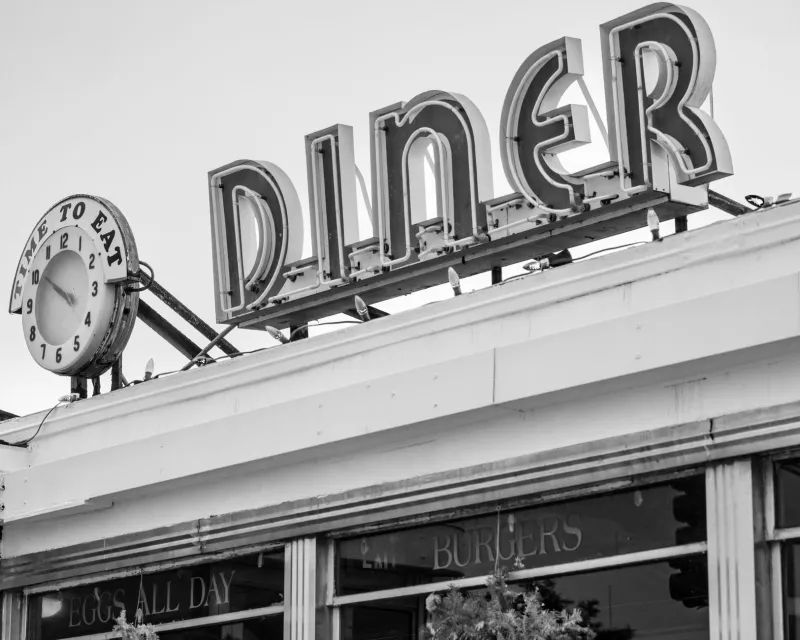
There's a diner on the east side of Tulsa where the parking lot has been full every Saturday morning for going on 47 years. The neon sign out front flickers the same way it did when the current owner's father ran the fryer. Three blocks away, a boutique hotel opened two years ago. The developer, when asked why he chose that particular stretch of otherwise unremarkable street, didn't hesitate: "Because of the burger place."
That's not a fluke. It's a pattern.
Across the country, a specific kind of burger restaurant — the fiercely independent, multigenerational, deeply rooted kind — has quietly become one of the most powerful forces in American local culture. These aren't chains. They're not Instagram bait. They're institutions, and their influence stretches far beyond what's on the menu.
The Gravity of a Great Burger
Urban planners have a term for anchor businesses: establishments that generate enough foot traffic and community loyalty that they stabilize surrounding real estate and attract secondary development. Grocery stores fill that role in suburbs. Coffee shops do it in gentrifying neighborhoods. But in dozens of American cities, it's a burger joint holding the whole block together.
In Louisville, a longtime smashburger spot near the NuLu neighborhood has watched art galleries, cocktail bars, and a boutique record store cluster around it over the past decade. The owner, who's been flipping patties on the same flat-top since 2001, laughs when you bring it up. "People keep asking me when I'm going to expand," he says. "I tell them I already did. I just did it by staying put."
That's the counterintuitive math of a true local legend: by refusing to grow, some of these places have inadvertently caused everything around them to grow instead.
What Makes a Burger Joint a Landmark
It's not just longevity, though that matters. Plenty of mediocre restaurants stay open for decades. What separates the cultural anchors from the ordinary survivors is a specific combination of consistency, community investment, and something harder to name — call it presence.
Historian and food culture writer Dara Silverman, who has spent years documenting regional food identity across the Midwest and South, describes it this way: "A landmark burger place isn't just somewhere people eat. It's somewhere people mark time. First dates, post-funeral lunches, the place you took your kid after the championship game. The food is the vehicle, but what's really being stored there is memory."
That emotional storage function is what makes these places nearly impossible to replicate — and nearly impossible to kill. When a beloved burger spot faces closure, the community response is often disproportionate to what you'd expect for any other type of restaurant. Petitions circulate. Local news runs segments. Former residents fly back in from other states just to eat there one more time before the doors close.
In Albuquerque, when a 38-year-old green chile burger institution announced it might not survive a rent hike a few years back, the fundraising response from regulars covered three months of operating costs inside 72 hours. The owner cried. The regulars cried. The landlord, reportedly, did not — but he did negotiate.
The Tourism Nobody Talks About
Food tourism gets a lot of coverage when it involves Michelin stars or destination tasting menus. What gets less attention is the quiet, consistent draw of a legendary burger spot that pulls people off the highway year after year.
Talk to the owners of these places and they'll tell you about the visitors: the couple from Ohio who stops in every time they drive through on the way to see family in Texas. The guy who grew up in town, moved to Seattle, and makes a point of coming back twice a year specifically to eat there. The food bloggers and road-trippers who've heard about the place through word of mouth and want to see what the fuss is about.
None of this shows up in official tourism statistics. But ask the motel owner two blocks away, or the gas station on the corner, and they'll tell you exactly how much business spills over from that burger spot on a busy weekend.
The Weight of Being a Landmark
For all the romance of it, running a place that's become culturally sacred comes with its own particular pressure. Longtime customers don't just want the burger to taste the same — they need it to. Any change to the recipe, the décor, the hours, or even the staff can trigger genuine grief.
"I changed the bun supplier once," admits the owner of a beloved counter-service spot in Boise that's been operating since 1979. "Just once. I thought I'd found something better. I had people in here, grown adults, looking at me like I'd done something unforgivable. I switched back within two weeks."
The relationship between a landmark burger joint and its community is a two-way street with unusually high stakes. The restaurant provides continuity, comfort, and identity. The community provides loyalty, forgiveness during slow seasons, and the collective memory that transforms a good burger into a great one.
What Happens When They're Gone
The loss of a true local legend leaves a mark that doesn't fade quickly. When a decades-old burger institution in Detroit closed in 2019 after the owner's death, the empty building sat untouched for over a year — not because no one wanted the space, but because multiple potential buyers reported feeling strange about moving in. "It felt like putting a gym in a church," one developer said.
That might sound overly sentimental, but it points to something real. These places carry meaning that transcends their physical function. The building is just a building, but the building where that burger place used to be is a monument.
Why This Matters for Anyone Who Cares About Food
At The Burger Guide, we spend a lot of time thinking about what makes a great burger. The beef-to-fat ratio. The bun structure. The cheese pull. All of it matters. But the deeper we get into burger culture, the more obvious it becomes that the best burger you've ever had probably wasn't just about the food.
It was about where you were. Who you were with. Whether the same guy who took your order last year remembered how you like it done. Whether the place felt like it belonged to the neighborhood, and whether the neighborhood felt like it belonged to the place.
That's what the real local legends have figured out — sometimes without even trying. They just showed up, cooked something honest, and kept doing it long enough that the world built itself around them.
That's not a business strategy. That's a love story.