Where Does Your $16 Burger Actually Go? The Brutal Math Behind Independent Burger Joints
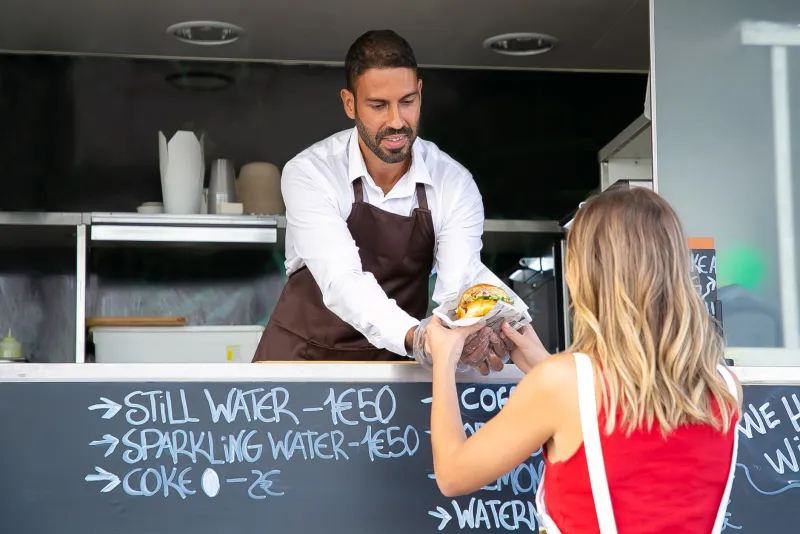
You walk up to the counter at your favorite neighborhood burger spot, glance at the menu board, and feel that familiar flicker of sticker shock. Sixteen dollars. For a burger. You remember when it was twelve. You remember when it was ten. You order it anyway, because it's worth it — but somewhere in the back of your mind, a little voice whispers: who's getting rich off this thing?
Short answer: almost nobody.
The economics of running an independent burger restaurant are genuinely brutal, and most customers have no idea just how thin the margins actually are. We spent time talking to owners of independent burger joints across the country — from a smash burger counter in Columbus to a classic diner-style operation in Albuquerque to a craft burger spot in Portland — and what they described wasn't a story of greed. It was a story of survival arithmetic.
The Beef Problem Nobody Talks About
Let's start with the obvious: the patty. For most burger-focused restaurants, beef is the single biggest food cost on the books. And it's been anything but stable.
"People see a price increase on the menu and they think we're taking advantage of them," said Marcus Teller, who owns a single-location burger counter in Columbus, Ohio. "But my ground beef cost went up almost 30 percent over two years. I held the price as long as I could. Then I just couldn't anymore."
Fresh, quality ground beef — the kind that actually makes a great burger — runs independent operators significantly more than the frozen commodity beef used by national chains. A restaurant using an 80/20 chuck blend sourced from a regional butcher might pay anywhere from $5.50 to $8.00 per pound, depending on the market, the season, and their supplier relationship. A chain buying frozen patties by the truckload pays a fraction of that.
For a 6-oz patty, that's already $2.00 to $3.00 per burger in raw beef cost alone — before you've added a bun, cheese, toppings, condiments, or any of the labor required to actually cook the thing.
Breaking Down That $16 Burger
Here's a rough breakdown of where a $16 burger's revenue actually goes, based on figures shared by multiple independent operators:
- Food cost (beef, bun, cheese, toppings, condiments): $4.50–$6.00 — roughly 28–38% of the menu price
- Labor (cook, counter staff, management allocation): $4.00–$5.50 — around 25–34%
- Rent and occupancy costs: $1.50–$2.50 — roughly 10–15%
- Utilities, insurance, and equipment maintenance: $0.75–$1.25
- Packaging, supplies, and waste: $0.50–$1.00
- Payment processing fees: $0.40–$0.55
- What's left (pre-tax profit margin): roughly $1.00–$2.50
That last number is the one that catches people off guard. After everything — the beef, the people flipping it, the building they're flipping it in — a well-run independent burger restaurant typically clears somewhere between 5 and 15 percent net profit on a good month. Many months, it's less. Some months, it's nothing.
"I made more per hour at my old job managing a grocery store," said one owner in Portland who asked to remain anonymous. "I do this because I love it and because it's mine. But I'm not buying a boat."
The Hidden Costs That Eat Into Everything
Beyond the obvious line items, there's a long list of expenses that customers rarely consider. Equipment breaks down — a flat-top grill replacement can run $3,000 to $8,000. Health inspections, permits, and licensing fees vary by city but add up fast. Waste is a constant battle: produce spoils, prepped beef has a short window, and over-ordering on a slow week can quietly kill a month's profitability.
Labor is its own complicated chapter. Most independent operators are now paying $15 to $18 per hour for line cooks in competitive urban markets, and turnover in the restaurant industry remains punishingly high. Training new staff costs time and money. Experienced cooks demand — and deserve — more.
"You want consistency? You need good people. Good people cost money," said Angela Ruiz, who runs a burger counter in Albuquerque. "And then they leave for a chain that offers health benefits you can't afford to match."
Why Quality Fluctuates (And It's Not Laziness)
One of the most common complaints about independent burger spots is inconsistency. The burger was transcendent on Tuesday and just okay on Saturday. Here's the thing: that's often a direct reflection of the financial pressures described above.
When beef prices spike, some operators quietly adjust their blend or reduce their patty weight rather than raise prices again. When a key cook calls out, the owner is on the line themselves, doing their best but not at peak performance. When a produce order comes in with subpar tomatoes, they use them anyway because throwing them out hurts.
These aren't excuses. They're the reality of operating at thin margins without the supply chain infrastructure that national chains take for granted.
So Is It Worth the Price?
That depends entirely on what you're comparing it to. Against a fast food burger, a $16 independent burger looks expensive. Against the actual cost of producing a quality product with real beef, fair wages, and a physical space in most American cities, it looks like someone is barely breaking even.
The chains can charge less because they've industrialized every variable — the beef is cheaper, the labor is more systematized, the rent is negotiated at scale. The independent operator is doing everything the hard way, usually because they genuinely care about the product.
That doesn't mean every expensive burger is automatically worth it. There are independent spots with inflated prices and mediocre execution, just as there are chains delivering surprising quality at low cost. Price alone isn't the story.
But the next time you feel that flicker of sticker shock at your local spot, it's worth remembering: the person who took your order probably also ordered the beef, fixed the fryer last Tuesday, and is going home tonight to run the numbers one more time. The margin on your burger isn't their profit. It's their survival.
And honestly? That makes it taste a little different.