The Real Cost of a Burger That Costs More Than Dinner for Four
Photo: Sgt. Justin Shemanski, Public domain, via Wikimedia Commons
A hundred-dollar burger used to be a punch line. In 2026, it is a menu category. You can find them in Las Vegas, Manhattan, Los Angeles, Miami, and a handful of smaller cities where a chef wants to make a statement. Some are cynical stunts designed for social media. Others are serious attempts to see what happens when you treat a burger like a tasting-menu course. The interesting question is no longer whether the $100 burger is absurd. It is what the price actually buys—and whether the math works for anyone besides the person posting the receipt.
The sticker price is not the cost
A $100 burger does not mean the restaurant is pocketing $100. That sounds obvious, but it is the first thing people forget when they see the number. A high-end burger might carry a food cost of 25 to 35 percent, which puts the ingredients alone at $25 to $35. Add labor for prep, cooking, plating, and service. Add rent in a market where a prime location can cost more per month than a house. Add insurance, permits, card fees, utilities, equipment depreciation, and the waste that comes with expensive ingredients that do not move every night. Suddenly the burger that looks like pure profit is a thin-margin product with a lot of operational risk.
That does not mean every $100 burger is a bargain. It means the price tag is doing more work than the burger itself. The restaurant is not just selling beef and truffles. It is selling an event, a story, and a reason to sit in a dining room that costs a fortune to run.
Where the money actually goes
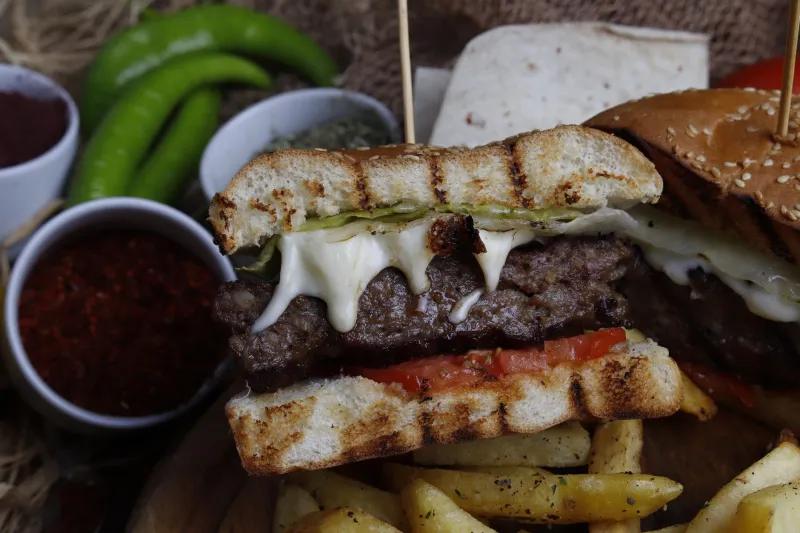
Start with the beef. Wagyu is the most common headline ingredient, but wagyu is a broad term. A blend that includes a small percentage of wagyu trim is not the same as a patty made from full-blood Japanese cattle. Dry-aged beef adds cost through time and storage. A custom grind adds labor and equipment. A thicker patty adds cost per ounce. None of this is automatically better, but it is more expensive.
Then come the toppings. Fresh truffles are priced by weight and lose aroma quickly. Caviar is a cold-chain product with a short shelf life. Foie gras, aged cheese, specialty mushrooms, and artisan buns all add cost. Some toppings add real flavor. Some add only a story. Gold leaf is the clearest example of the latter. It costs money, looks dramatic, and tastes like nothing. A restaurant that uses it is selling a photograph as much as a meal.
Labor is the quiet cost. A burger that requires shaved truffles, a specific sauce, a toasted brioche bun, and careful plating takes more time than a smash patty on a flat-top. That time shows up in the schedule. It also shows up in training. When a $100 burger is on the menu, the kitchen cannot afford a cook who does not know how to execute it consistently.
The psychology of the splurge
Restaurants understand that a $100 burger changes the way a menu reads. It is an anchor. When a guest sees a $100 burger next to a $24 burger, the $24 burger starts to feel reasonable. The expensive item does not have to sell in huge numbers to do its job. It signals that the restaurant is ambitious, that the kitchen can operate at a high level, and that a normal Tuesday dinner can feel like a special occasion.
Guests buy the story, too. A burger made with A5 wagyu and black truffle is a story you tell your friends. It is a birthday order. It is a business dinner flex. It is a social media moment. The food still has to be good, but the experience starts before the first bite. That is not a scam. It is hospitality. The question is whether the food delivers enough to justify the narrative.
When it is worth it, and when it is theater
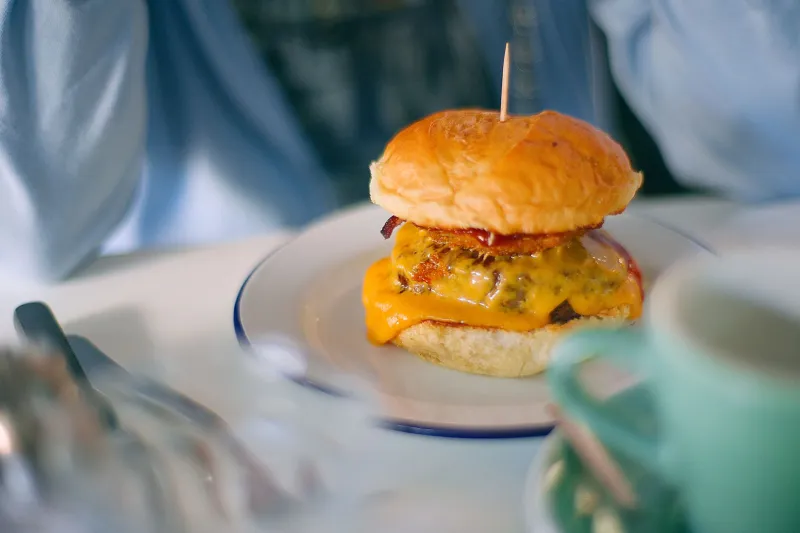
A $100 burger is worth it when the ingredients taste like they cost money, the execution is precise, and the service matches the price. It is worth it when the beef has real flavor, the bun holds up, the toppings make sense together, and the kitchen does not rely on truffle oil to do the heavy lifting. It is worth it when the burger is still a burger—messy, satisfying, and built to be eaten—rather than a tiny tower that requires a knife and fork.
It is not worth it when the menu leans on buzzwords. A wagyu blend with a tiny percentage of wagyu is not the same as a wagyu burger. Truffle oil is not fresh truffle. Gold leaf is not a flavor. A $100 burger in a room with uncomfortable seats and distracted service is a bad deal no matter how good the beef is.
The $100 burger is here to stay because there is demand for it. Some people want the best version of a familiar food, and they are willing to pay for the ingredients and labor that make it possible. Others want the receipt. Both are part of the market. The smart move for the rest of us is to stop treating the price as an outrage and start asking what it actually pays for. If the answer is great beef, skilled labor, and a memorable meal, fine. If the answer is a hashtag, order the $16 burger and enjoy your lunch.